Projects
Engineering Studies & Project Work
Design • Analysis • Problem Solving • Technical Delivery
Dynede Dynamics develops engineering studies that demonstrate how practical design, analysis and engineering judgement can be applied to real mechanical engineering problems. Each study is structured around a clear engineering objective, from understanding the problem and developing a concept through analysis, refinement and technically useful outcomes.
The studies presented here are intended to show the engineering process rather than simply display finished images. Design development, CAD, FEA, CFD and optimisation may be used individually or together depending on the problem being investigated.
As the Dynede Dynamics portfolio develops, selected client projects and real engineering case studies will also be added alongside these engineering studies.
Project Approach
Each engineering study begins with a defined technical objective and a clear understanding of the problem, constraints and required outcome.
Design, analysis and engineering judgement are then used to investigate the problem, evaluate alternatives and develop a practical, technically sound solution.
FEATURED ENGINEERING STUDIES
Engineering Studies
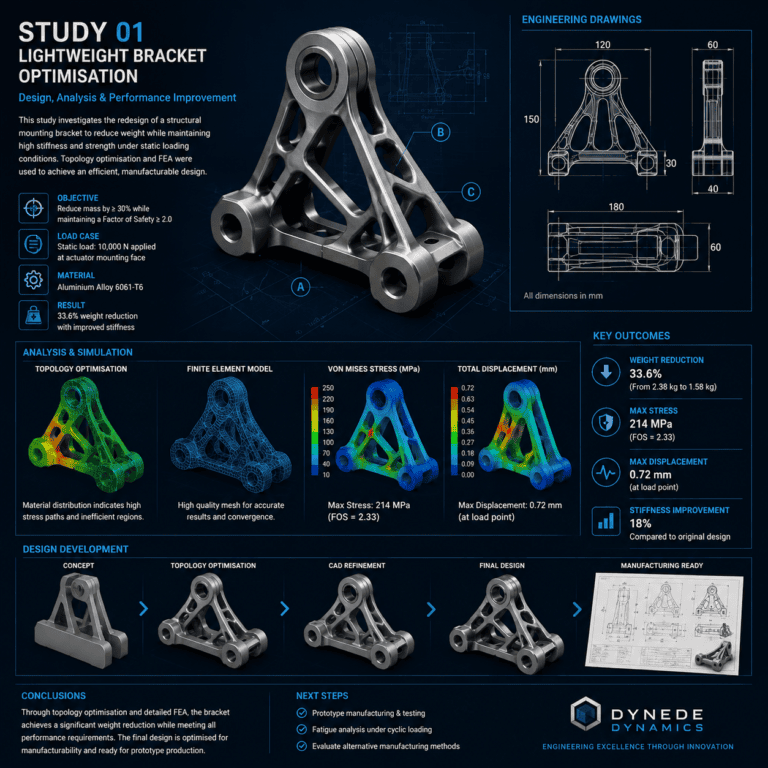

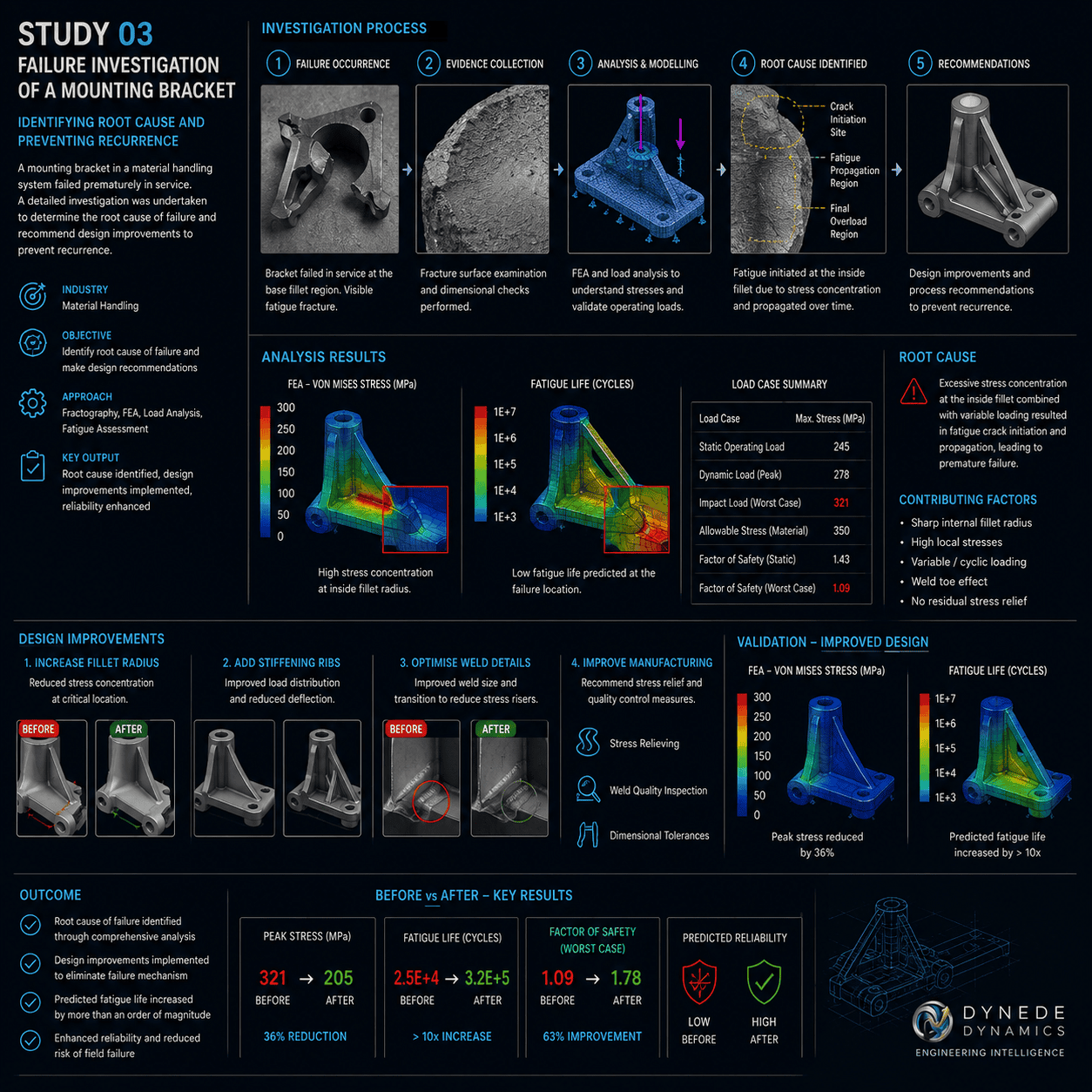
These engineering studies demonstrate how design, analysis and engineering judgement can be combined to investigate mechanical engineering problems, evaluate performance and develop practical solutions.
Engineering studies shown are illustrative examples developed to demonstrate engineering methodology and capabilities. They are not presented as client projects unless specifically identified as such.
DESIGN
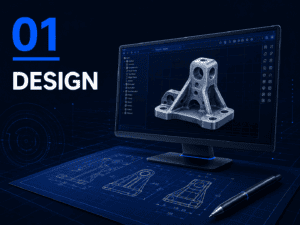
Every engineering project begins by defining what the design must achieve. Requirements, constraints, interfaces, operating conditions and manufacturing considerations are established before detailed modelling begins.
From this foundation, concepts can be developed and compared with attention to function, geometry, material selection, load paths, interfaces and practical manufacturing constraints. 3D CAD modelling is used not simply to produce geometry, but as an engineering tool for exploring arrangements, resolving packaging and assembly requirements, and developing the design toward a technically viable solution.
As the design develops, engineering judgement is used to refine dimensions, features and interfaces while considering stiffness, strength, weight, accessibility, assembly and service requirements. Where appropriate, calculations and numerical analysis can be introduced during the design process to investigate critical areas and provide evidence for design decisions before unnecessary detail is committed.
The objective is to progress from an initial engineering requirement to a design that is practical, clearly defined and ready for its next stage of development. Depending on the project, this may include detailed CAD models, manufacturing drawings, component specifications, design calculations and supporting technical documentation, providing a coherent engineering package that can be reviewed, analysed, manufactured or developed further.
ANALYSE
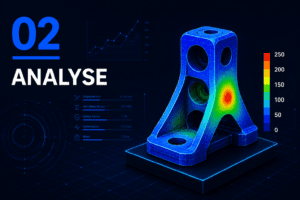
Engineering analysis begins with defining the technical question that needs to be answered. Loads, operating conditions, material behaviour, interfaces, constraints and expected performance are considered so that the analysis represents the engineering problem appropriately. The objective is not simply to generate results, but to produce information that supports a meaningful engineering decision.
Depending on the project, analytical calculations, finite element analysis (FEA), computational fluid dynamics (CFD) or a combination of methods may be used to investigate performance. Structural behaviour, stress, deformation, temperature, pressure, velocity, flow distribution and other relevant parameters can be evaluated according to the nature of the system and the questions being investigated.
Careful attention is given to assumptions, boundary conditions, loading, material properties, mesh quality and the interpretation of results. Areas of concern can then be identified and investigated further, while alternative configurations or operating conditions can be compared where appropriate. Results are considered in their engineering context rather than treated simply as numerical outputs or colourful simulation plots.
The purpose of analysis is ultimately to improve understanding and reduce uncertainty. Findings can support design verification, identify potential weaknesses, explain unexpected behaviour and provide evidence for subsequent design decisions. Where improvements are required, the analysis provides a technical basis for the next stage of the project: developing and evaluating a practical engineering solution.
SOLVE
Solving an engineering problem requires more than identifying where something is not performing as expected. The underlying cause must first be understood by considering the design, operating conditions, interfaces, loads, materials and other factors that may influence behaviour. A structured investigation helps distinguish the root cause from the symptoms of the problem.
Evidence from CAD models, engineering calculations, FEA, CFD, drawings, available operating information and previous analysis can be brought together to build a clearer picture of the issue. Where several possible causes exist, they can be assessed systematically so that effort is focused on the factors most likely to influence performance.
Once the problem is understood, practical solutions can be developed and compared. These may involve changes to geometry, materials, component arrangement, load paths, interfaces, operating conditions or other aspects of the design. Potential solutions are considered not only for their technical performance, but also for their effect on manufacture, assembly, maintenance and the wider engineering system.
The objective is to arrive at a technically sound solution that addresses the actual engineering problem rather than simply treating its visible effects. Where appropriate, proposed changes can be analysed and verified before implementation, providing greater confidence that the solution is practical, effective and suitable for further development.
IMPROVE
Engineering improvement begins once the behaviour of a design or system is sufficiently understood. Rather than changing geometry or specifications without a clear objective, opportunities for improvement are identified from analysis results, engineering calculations, operating requirements and the practical limitations of the existing design.
Design alternatives can then be developed and compared to determine how changes influence performance. Depending on the project, this may involve reducing mass, improving stiffness or strength, modifying load paths, reducing stress concentrations, improving flow behaviour, reducing pressure losses, managing temperature or simplifying geometry for manufacture and assembly.
Improvement is often an iterative process. CAD modifications can be evaluated using calculations, FEA or CFD, with the results informing the next design revision. This allows promising changes to be developed further while less effective alternatives can be rejected before significant time or cost is committed to manufacture or physical testing.
The aim is not optimisation for its own sake, but a balanced engineering solution that delivers measurable benefit while remaining practical to manufacture, assemble, operate and maintain. The final design can then be reviewed and verified against the original project objectives, providing a clear technical basis for implementation or further development.
PRACTICAL | ANALYTICAL | DELIVERABLE
Engineering solutions developed around real requirements, supported by sound analysis and delivered as clear, usable technical outputs.
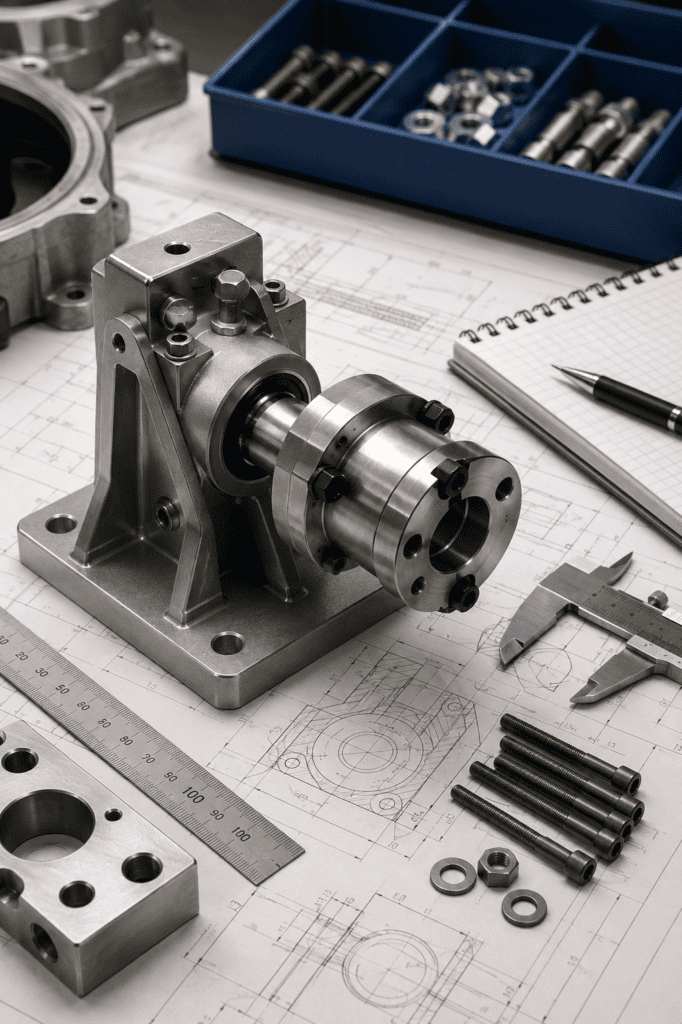
PRACTICAL
Practical engineering begins with understanding how a design will exist outside the CAD environment. Geometry, materials and performance are important, but so are the realities of manufacture, assembly, installation, operation and maintenance. A technically capable design must also work within the physical, commercial and operational constraints of the project.
During development, consideration is given to factors such as available manufacturing processes, material selection, tolerances, interfaces, fastening and joining methods, accessibility, component availability and the sequence in which parts will be assembled. These considerations help prevent unnecessary complexity and reduce the risk of discovering avoidable problems after a design has progressed too far.
Practicality also means considering how the engineering solution will behave throughout its working life. Loads, environmental conditions, wear, temperature, vibration, fluid behaviour, inspection requirements and maintenance access may all influence design decisions depending on the application. Where compromises are necessary, they can be evaluated against the actual objectives of the project rather than treating any single engineering parameter in isolation.
The aim is to develop engineering that can move confidently towards implementation. Whether the required outcome is a component, assembly, modification, analysis-supported design or a broader mechanical system, the work is developed with attention to what can realistically be manufactured, assembled, operated and supported. This helps turn engineering intent into a solution that is not only technically justified, but genuinely usable.
ANALYTICAL
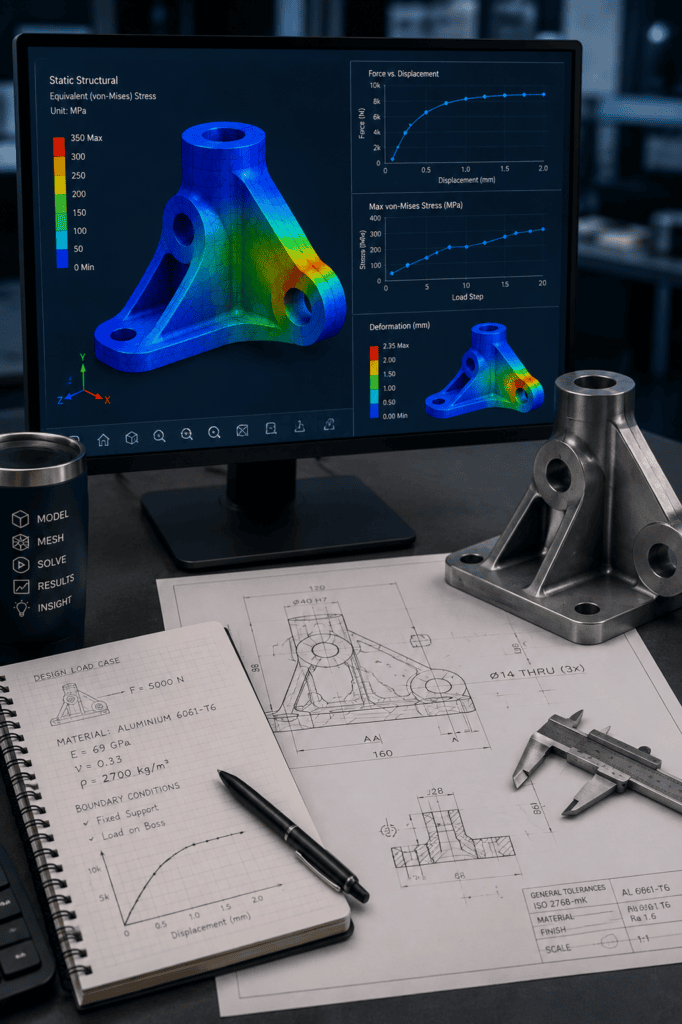
Analytical engineering provides the evidence needed to understand how a component, assembly or system is expected to behave. Rather than relying solely on intuition or previous experience, engineering questions can be examined using calculations, simulation and structured evaluation. The analytical method is selected according to the problem being investigated and the decisions that the results need to support.
Depending on the application, this may include engineering calculations, finite element analysis (FEA), computational fluid dynamics (CFD), thermal analysis or a combination of methods. Loads, stresses, deformation, stiffness, temperature, pressure, velocity, flow distribution and other relevant parameters can be investigated to identify critical behaviour and understand how different aspects of a design interact.
Useful analysis depends on more than producing colourful plots or numerical results. Assumptions, material properties, loading conditions, constraints, contacts, boundary conditions and model quality must be considered carefully, while results must be interpreted within the physical context of the engineering problem. Where appropriate, sensitivity studies or comparisons between configurations can help determine which variables have the greatest influence on performance.
The objective is to turn analytical results into engineering understanding. Analysis can support design verification, identify areas requiring attention, compare alternatives, investigate unexpected behaviour and provide evidence for subsequent design decisions. Used in this way, analytical engineering becomes part of the wider development process — connecting technical investigation with practical decisions and helping reduce uncertainty before significant time or cost is committed.
DELIVERABLE
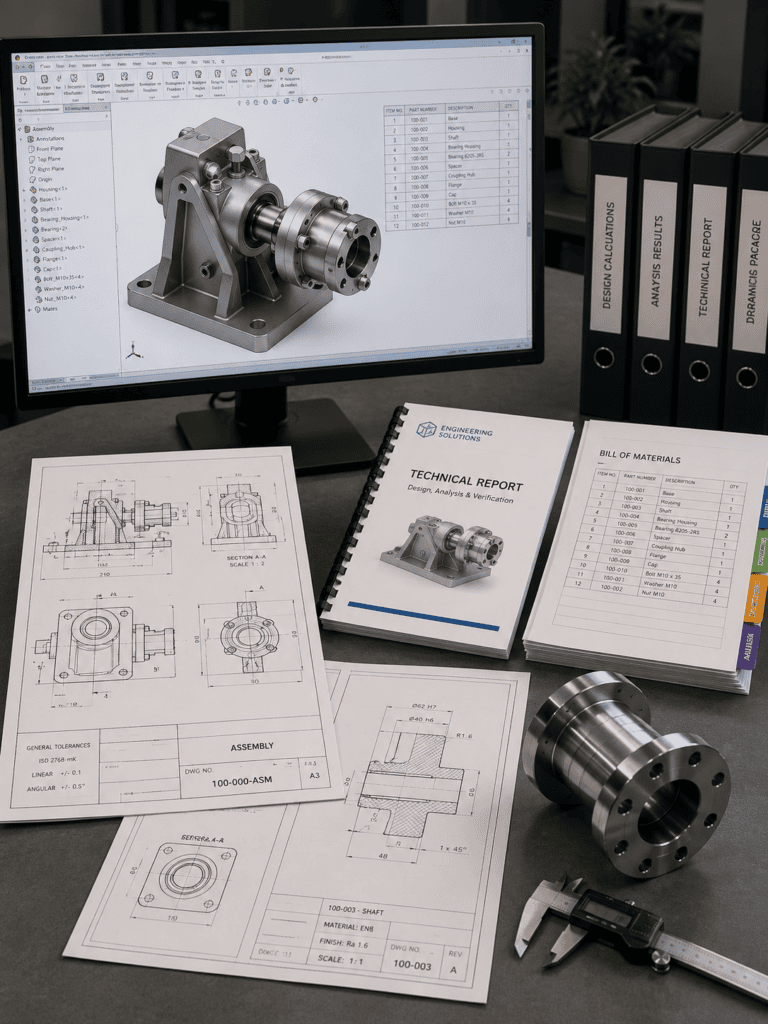
Engineering work becomes valuable to a project when its conclusions are communicated clearly and converted into usable technical outputs. Deliverables are therefore considered as part of the engineering process rather than simply produced at the end. Their content and level of detail depend on the purpose of the project, its stage of development and what the client or subsequent engineering team needs to do next.
Depending on the scope, deliverables may include 3D CAD models, assemblies, manufacturing drawings, design calculations, FEA or CFD results, technical reports, engineering notes, specifications and supporting documentation. Where appropriate, outputs can also include design comparisons, recommended modifications, identified areas of concern and the technical reasoning behind important engineering decisions.
Clear presentation is particularly important when engineering work must be reviewed, manufactured, developed further or transferred to another team. Models, drawings, analysis results and documentation should provide enough context for their intended use, with assumptions, limitations and relevant technical information communicated appropriately. The objective is not simply to generate files, but to create an engineering package that another person can understand and use effectively.
The final output is shaped around the needs of the project. Some assignments may require a focused analysis and concise technical report, while others may progress towards a detailed design package containing CAD, drawings, calculations and supporting evidence. In each case, the aim is to leave the client with clear, organised and technically meaningful deliverables that support review, manufacture, implementation or the next stage of engineering development.
Engineering Projects & Studies
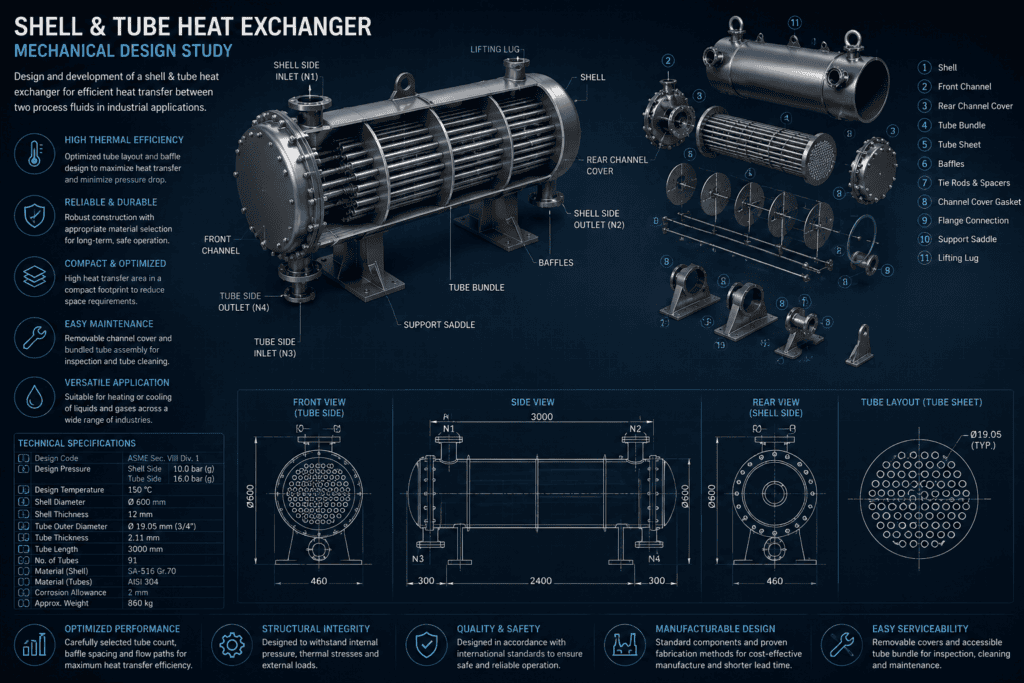
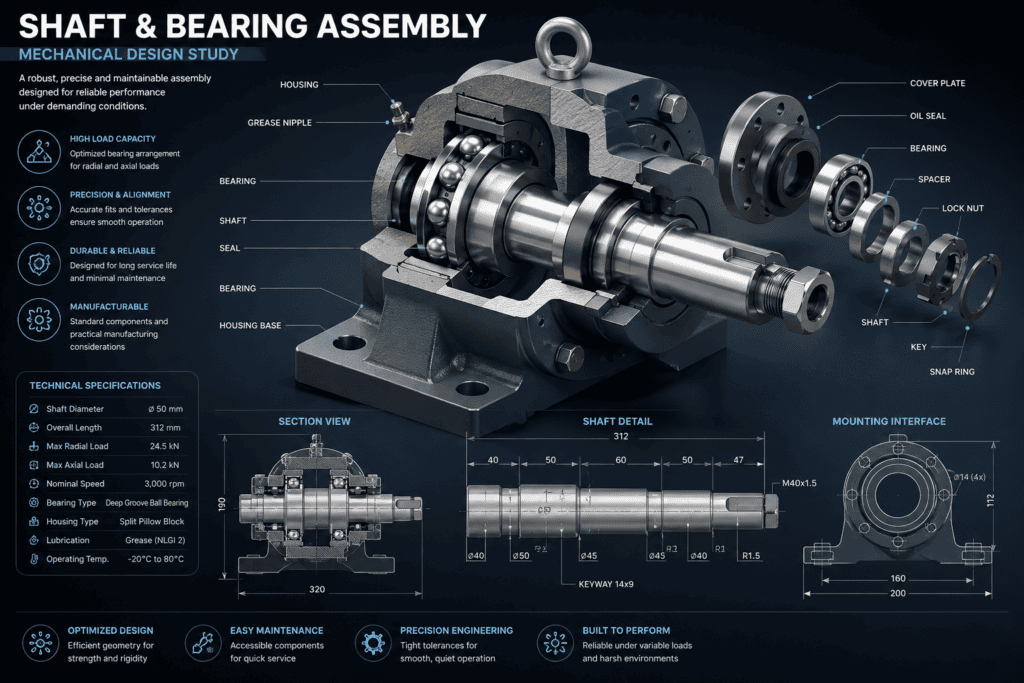
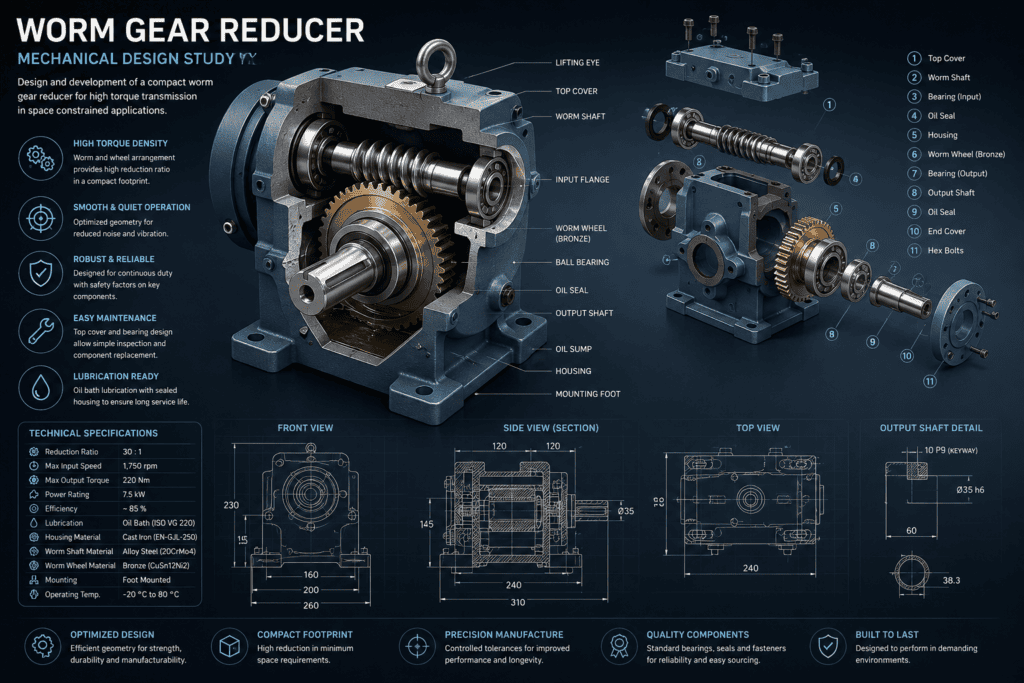
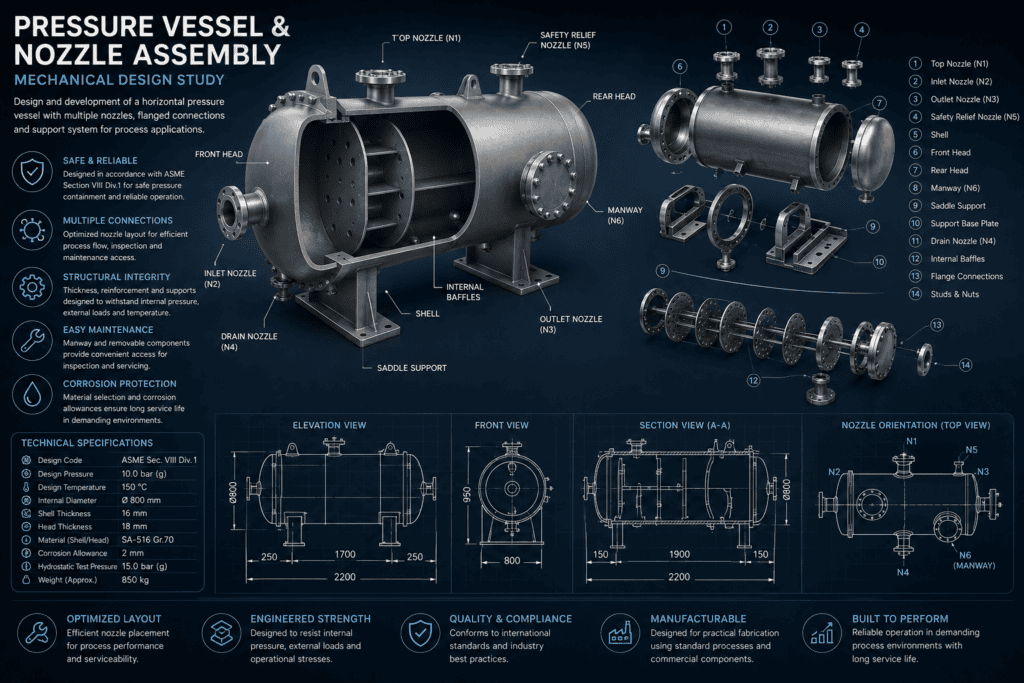
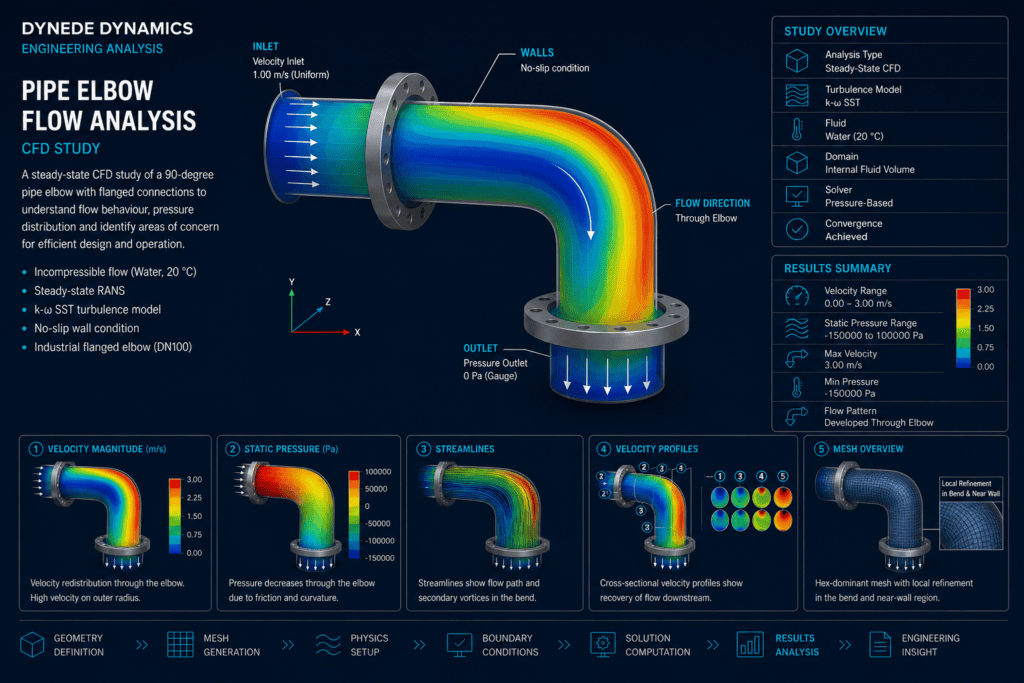
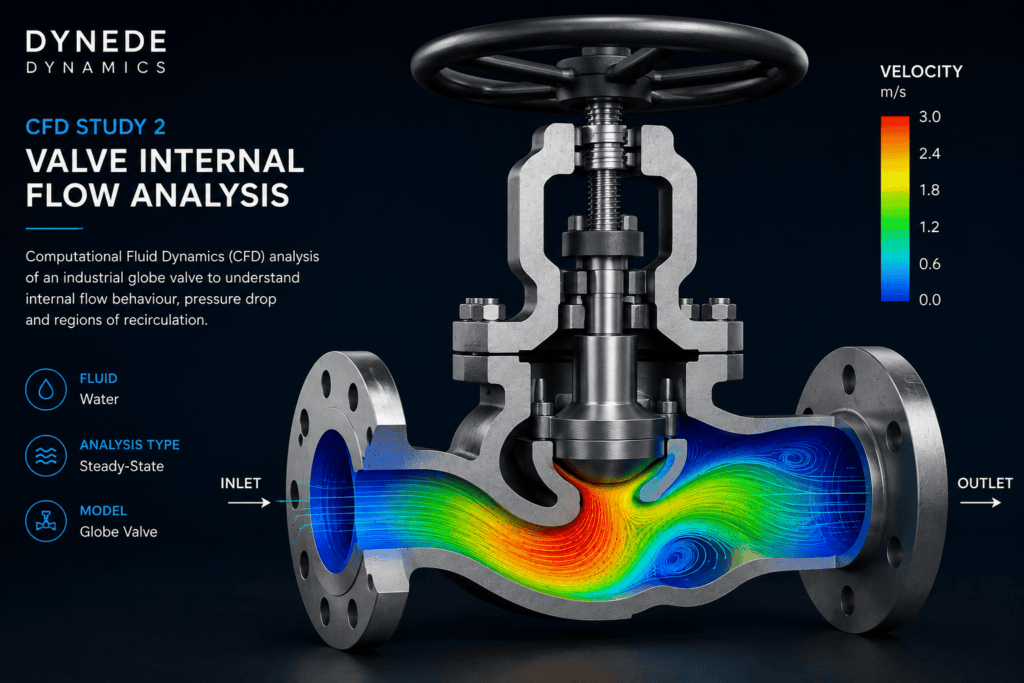
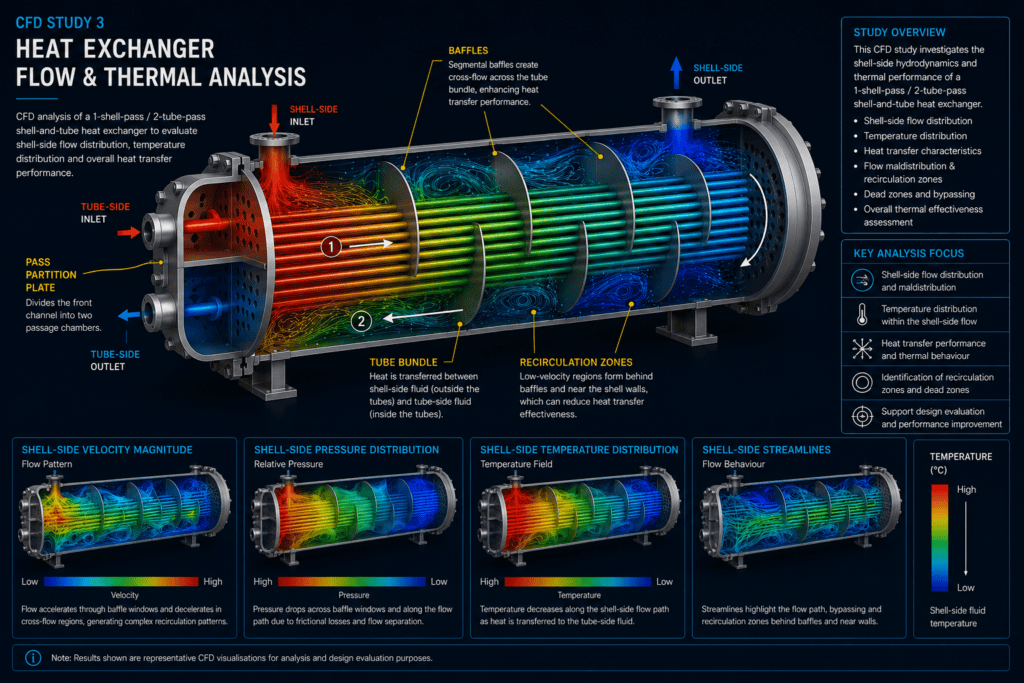
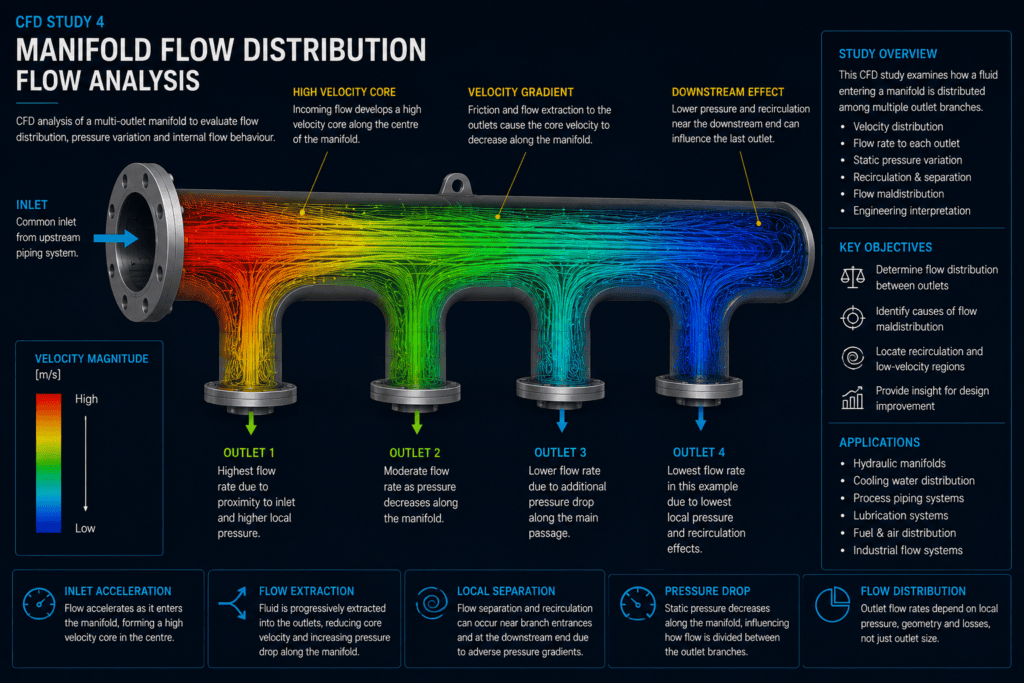
Explore selected mechanical design, engineering analysis, CFD and design optimisation studies demonstrating the practical application of engineering methods to real-world design challenges.
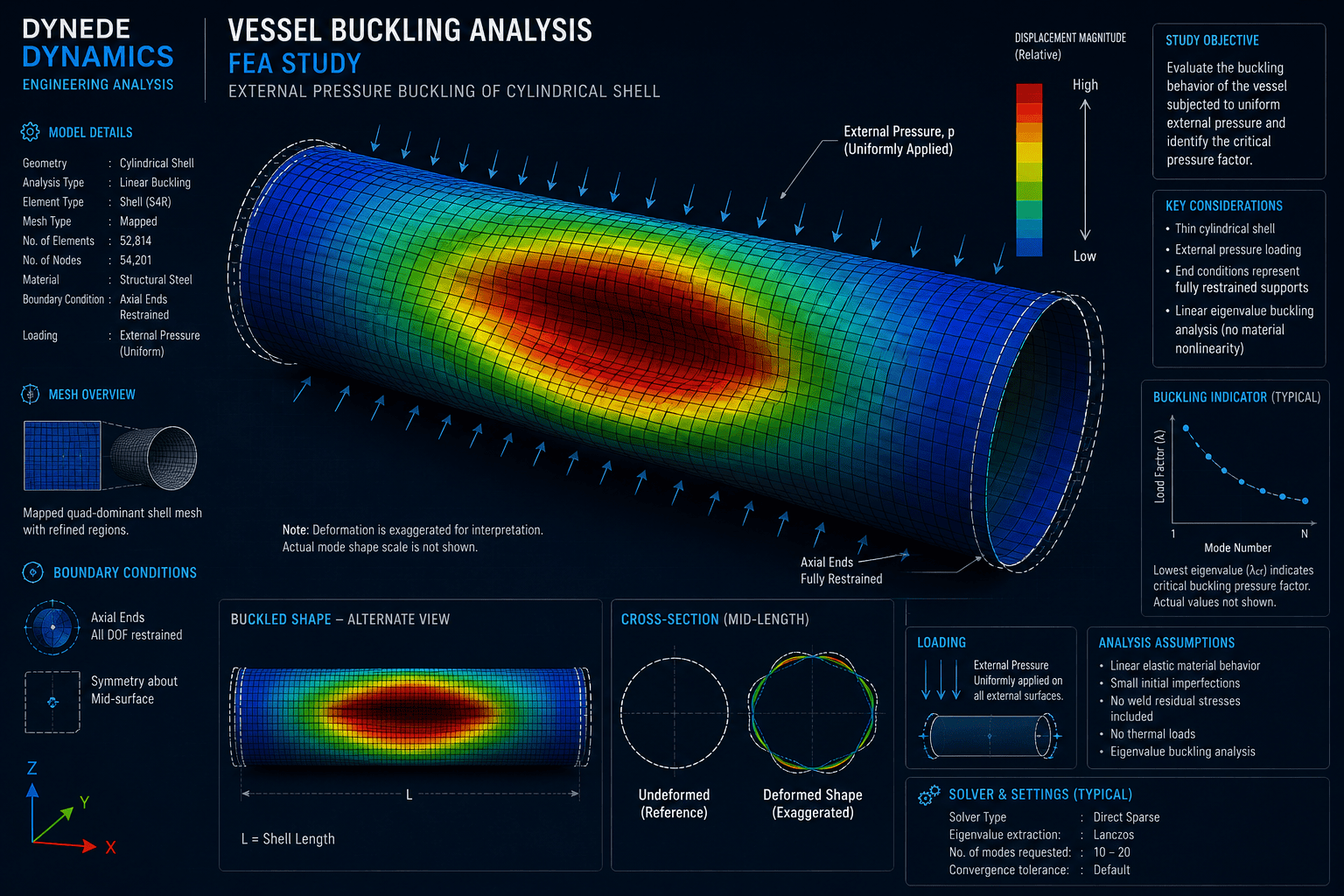
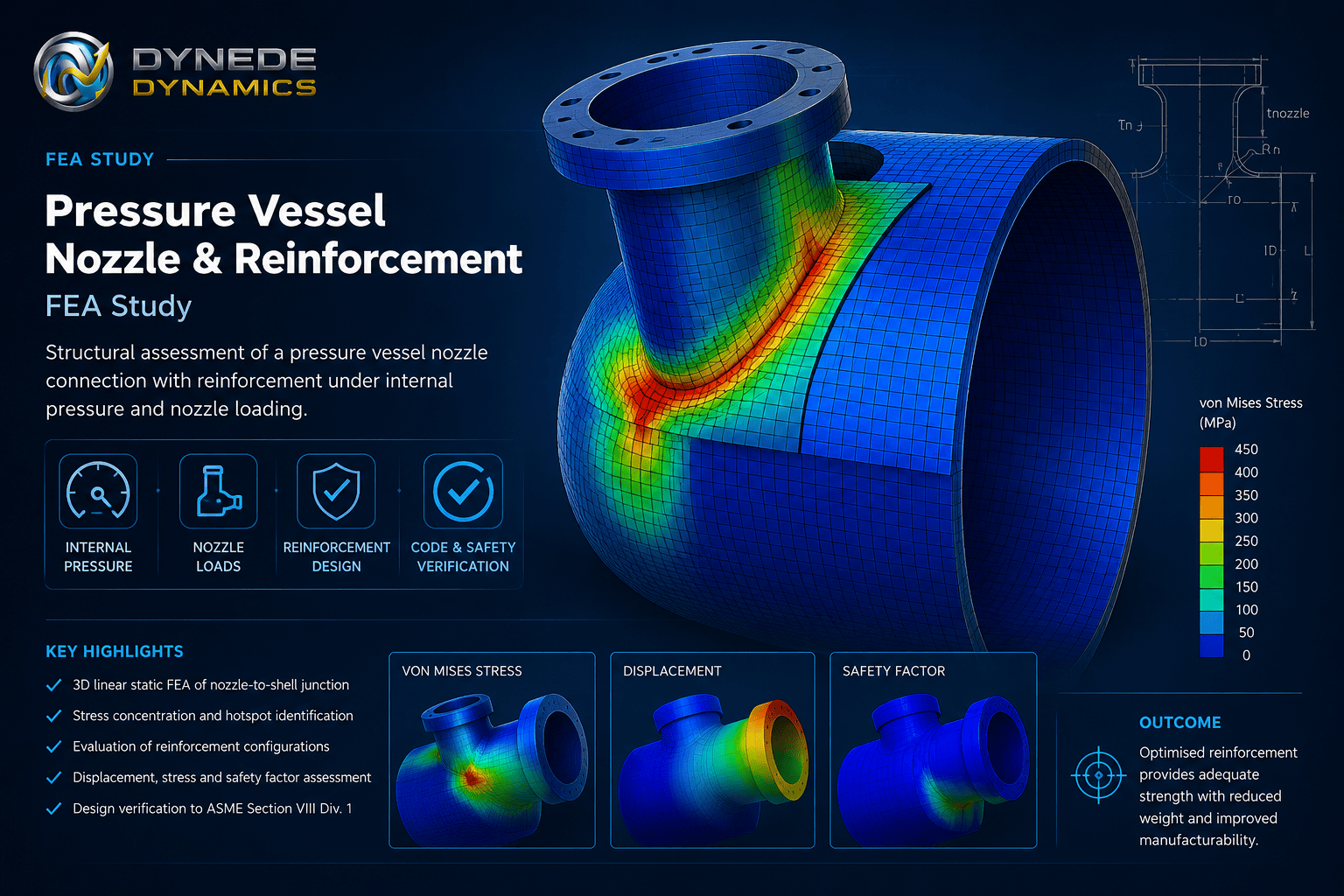
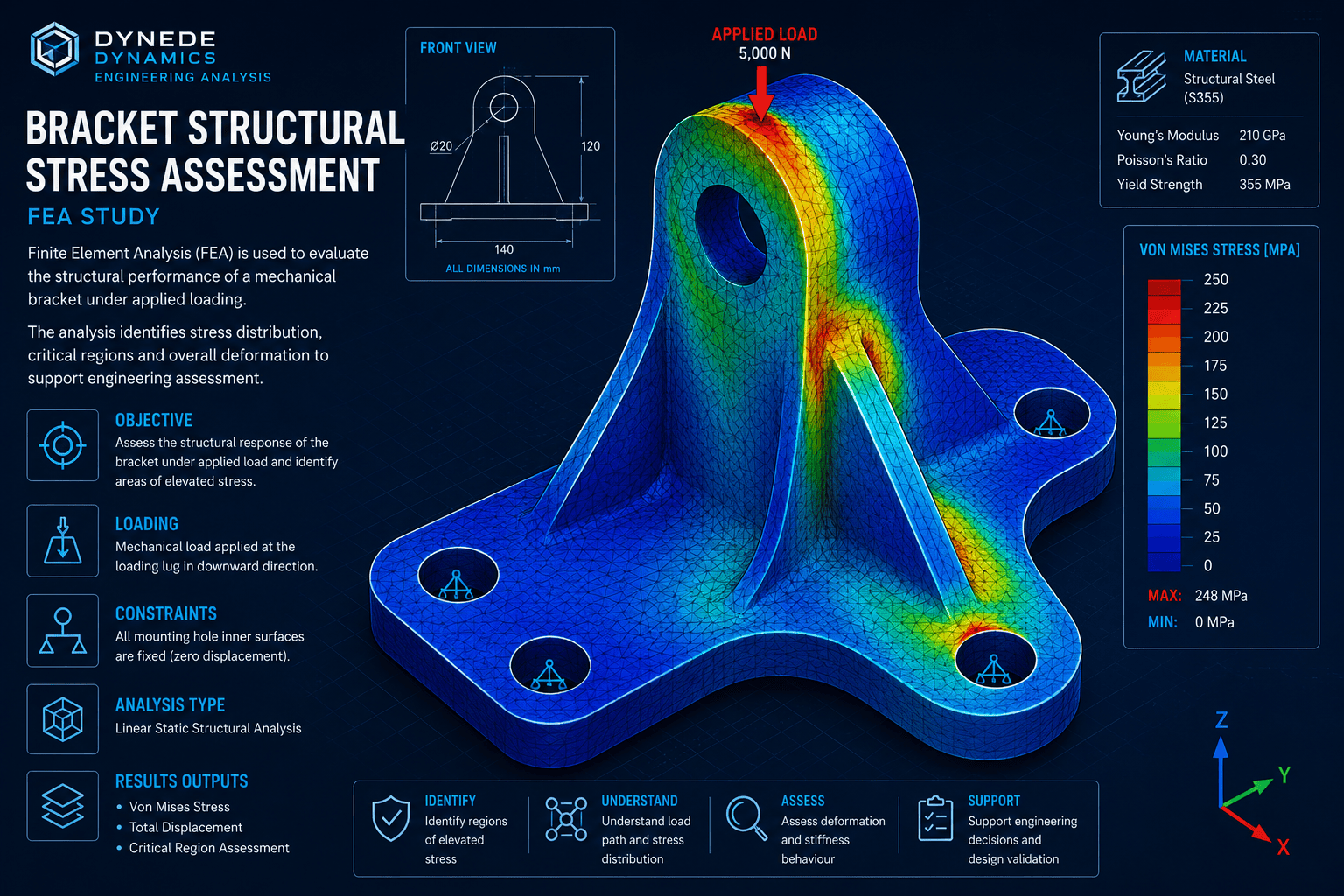
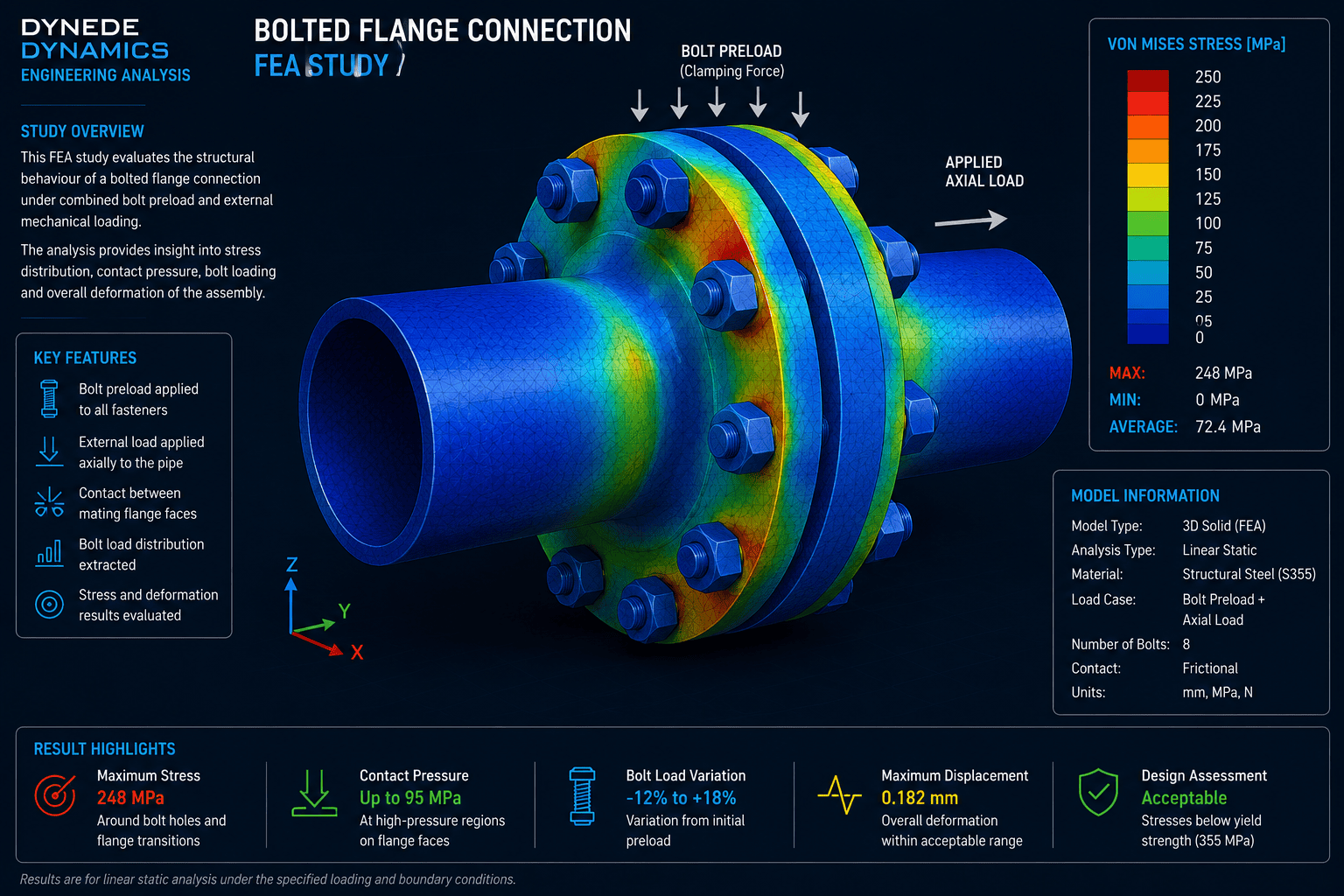
Design Optimisation (DO)

Generative Design — Concept Study Lattice Structure Optimisation — Concept Study
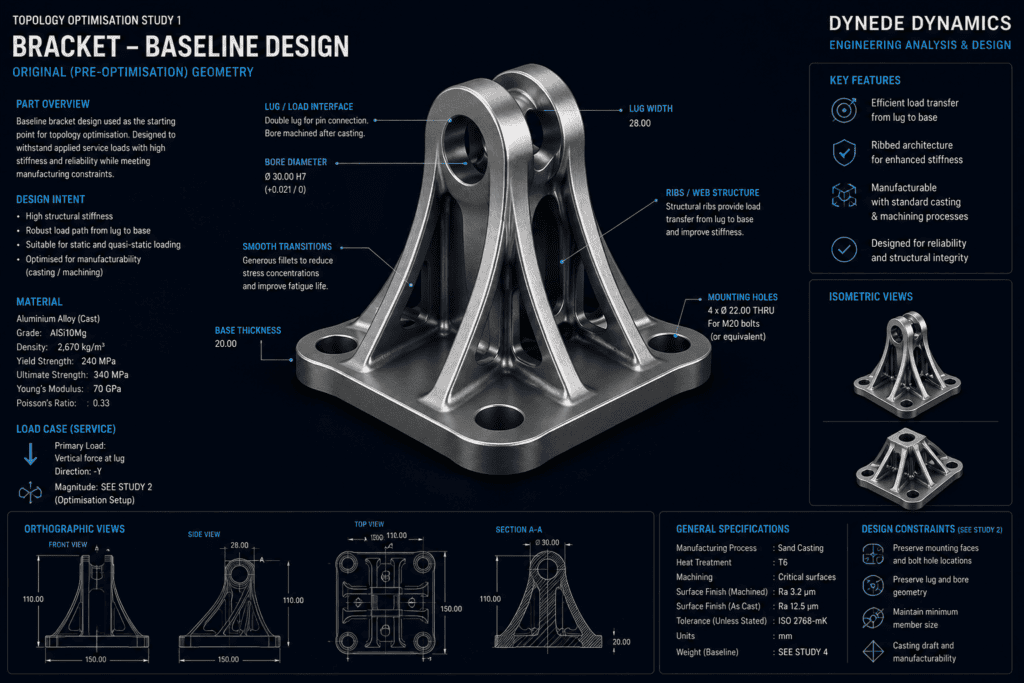
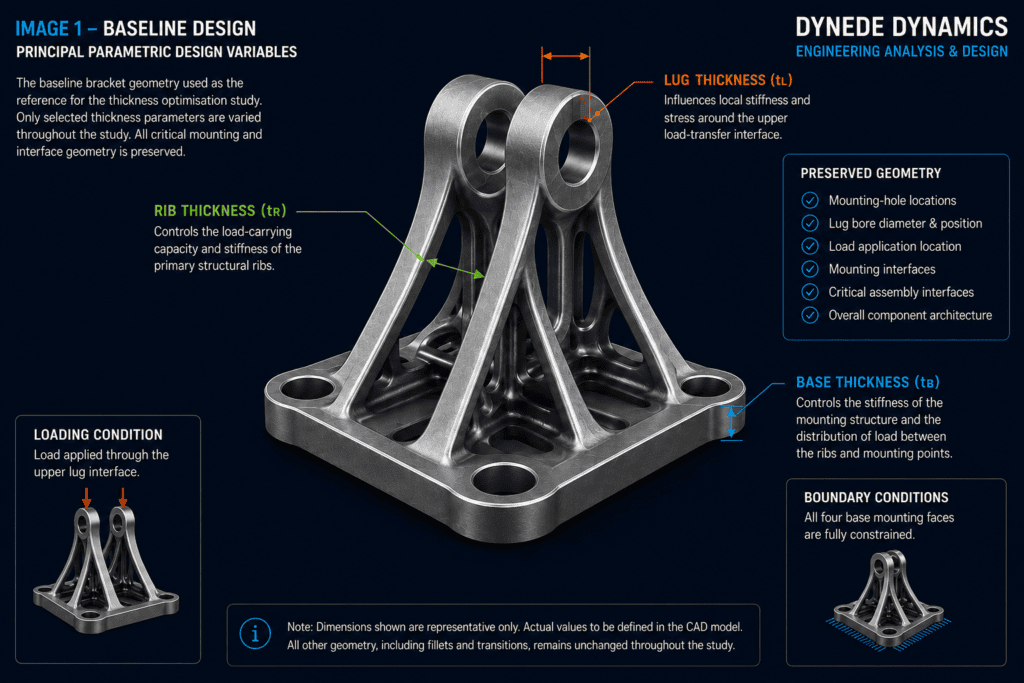
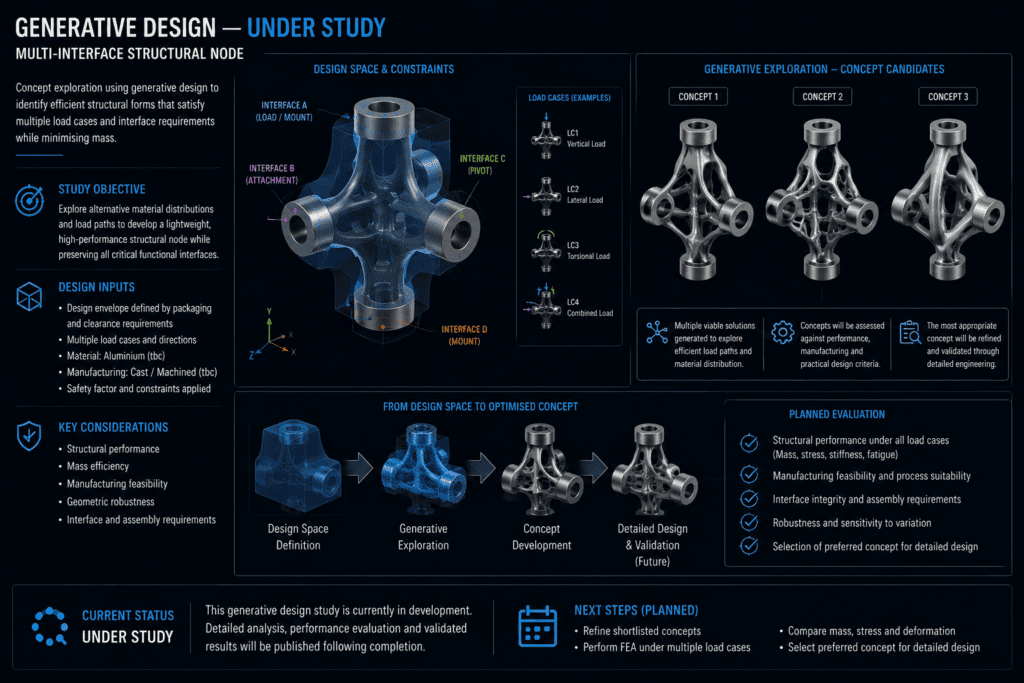
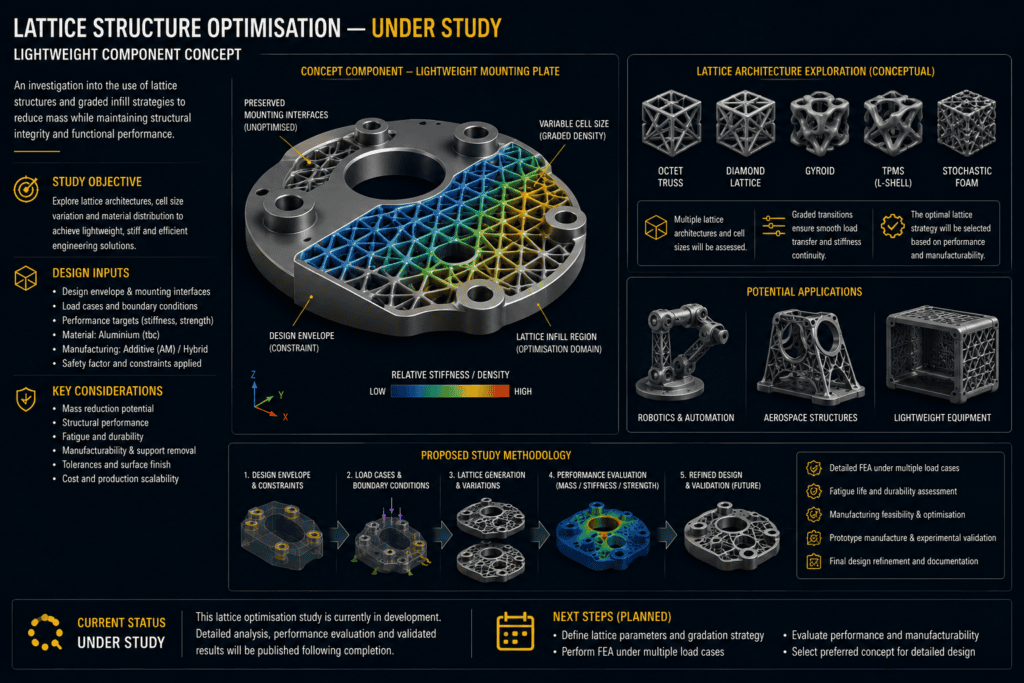
Ongoing Development: Generative Design and Lattice Structure Optimisation are currently under study. Detailed engineering studies will be published following completion and validation.